Water has a funny way of staying in the background until something goes wrong. You don’t think much about it when you’re filling a glass, taking a shower, or running the dishwasher. It’s simply there—doing its job. But when the water tastes strange, leaves stains on fixtures, or starts causing plumbing headaches, it suddenly becomes impossible to ignore.
The truth is, good water doesn’t happen by accident. It comes from thoughtful planning, regular maintenance, and systems that are built to last. Whether you’re relying on a private well or a municipal supply, paying attention to the way water is stored, treated, and delivered can make a surprising difference in your everyday life.
Water Quality Is More Than Just Taste
Most people judge water quality by how it looks or tastes. If it’s clear and doesn’t have an odd smell, it’s probably fine, right? Not always.
Many water issues are invisible. Minerals like calcium and magnesium, excess iron, bacteria, sediment, or even contaminants can exist without changing the appearance of your water. Over time, these hidden problems can affect plumbing systems, appliances, and even your skin or hair.
That’s one reason many homeowners choose free water testing before investing in treatment equipment. A proper test reveals what’s actually in your water instead of relying on assumptions. It helps eliminate guesswork and ensures that any solution is based on real data rather than generic recommendations.
In many cases, people discover that the issue they thought required a costly replacement can actually be solved with a targeted treatment system. That’s a welcome surprise.
Related perspective: Why Clean Water at Home Is More Than a Luxury—It’s Something You’ll Appreciate Every Day
Why Water Storage Matters More Than You Think
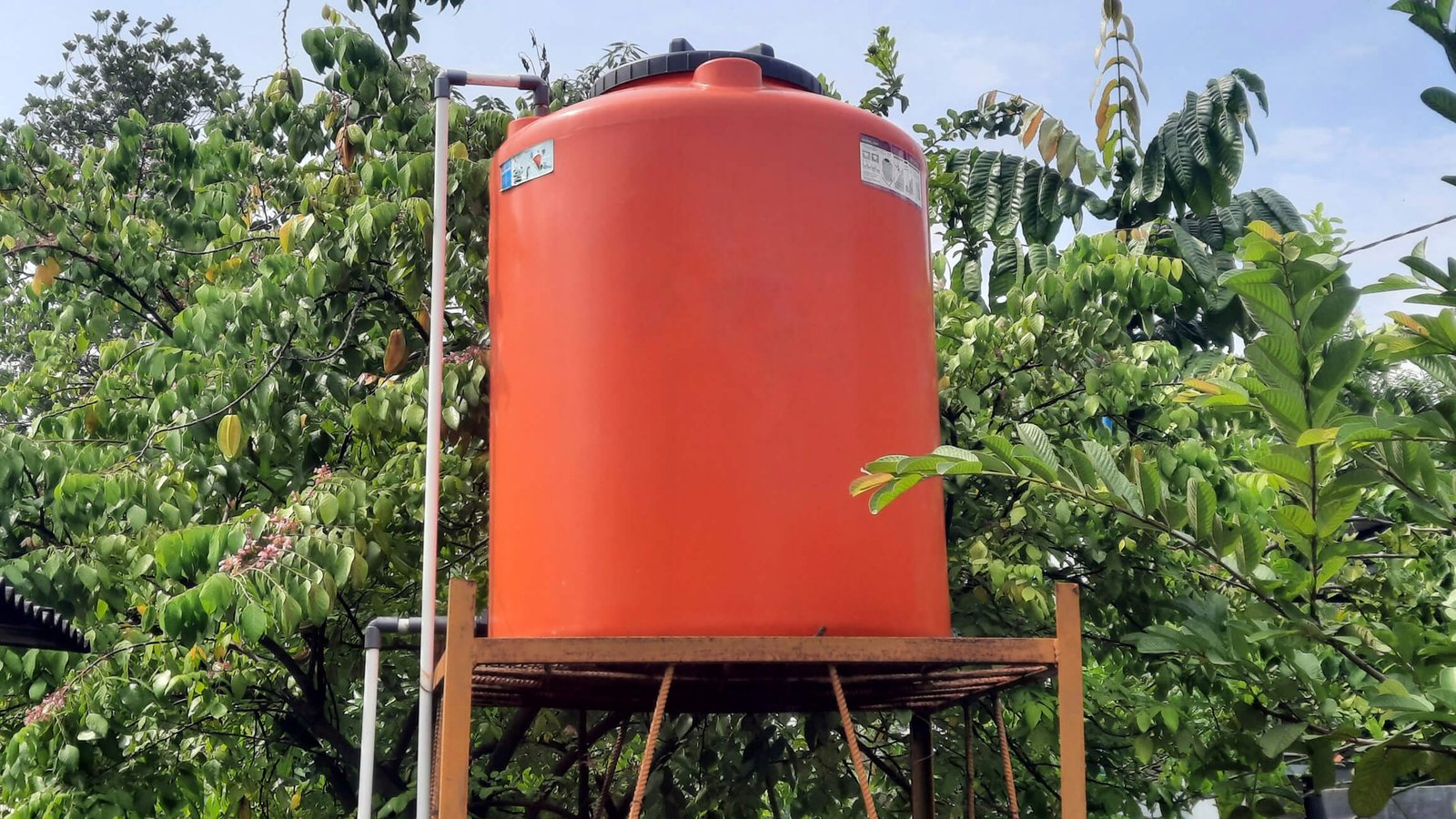
Water storage often gets overlooked because tanks are usually tucked away behind buildings, underground, or hidden in utility rooms. Yet they’re one of the most important parts of any water system.
A well-designed storage tank doesn’t simply hold water. It helps maintain pressure, prepares your property for emergencies, and provides a steady supply during periods of high demand. Without reliable storage, even a quality water source can become inconsistent.
This becomes especially important for larger homes, farms, commercial buildings, and rural properties where water usage can fluctuate throughout the day. Having adequate storage ensures everything keeps running smoothly, even when demand suddenly increases.
Maintenance also plays a role. A neglected tank can accumulate sediment over time, reducing efficiency and creating conditions that affect water quality. Regular inspections and cleaning keep the entire system performing the way it should.
Good Storage Tank Design Creates Long-Term Reliability
Not every tank is created equal. Size is only one part of the equation.
A thoughtful storage tank design considers local climate, daily water demand, available space, future expansion, material durability, and ease of maintenance. These details might seem minor during installation, but they have a huge impact years later.
Related perspective: Why Professional Water Treatment Starts with Understanding Your Water
For example, an oversized tank that rarely cycles water can allow water to become stagnant. On the other hand, a tank that’s too small may constantly struggle to keep up during busy periods.
Material selection matters too. Some environments require corrosion-resistant materials, while others benefit from insulated tanks that help stabilize water temperatures. Every property has different needs, which is why customized planning almost always outperforms a one-size-fits-all approach.
The best designs aren’t necessarily the most expensive—they’re simply the ones built around real-world usage.
Hard Water Can Quietly Cost You Money
One of the most common household water issues is hard water.
It isn’t dangerous to drink, but it leaves mineral deposits inside pipes, water heaters, coffee makers, dishwashers, and washing machines. Over months and years, those minerals reduce efficiency, increase energy consumption, and shorten appliance lifespan.
You may notice white spots on dishes, soap that refuses to lather properly, stiff laundry, or dry skin after showering. These small annoyances often have the same underlying cause.
Related perspective: Why a Well-Maintained Water Treatment System Delivers Better Results for Years
Installing the right treatment system can dramatically reduce maintenance costs while making everyday tasks noticeably easier. Many homeowners are surprised by how quickly they notice softer towels, cleaner fixtures, and lower soap usage.
Sometimes the biggest improvements come from solving problems you’ve simply gotten used to.
Routine Maintenance Is Always Worth It
Even the best equipment needs occasional attention.
Filters need replacement. Water softeners require periodic servicing. Tanks should be inspected. Pressure systems deserve routine checks.
Ignoring maintenance usually doesn’t create immediate disasters. Instead, efficiency slowly declines until something eventually fails. By that point, repairs are often far more expensive than simple preventative care would have been.
Think of your water system the same way you think about your vehicle. Oil changes seem minor until you skip them for years.
Related perspective: The Small Everyday Difference Better Home Water Can Make
A little consistency goes a long way.
Don’t Forget About Softener Maintenance
If your home uses a water softener, keeping it supplied properly is essential.
Running out of salt means the system can’t regenerate correctly, allowing hard minerals to return to your household water supply. Unfortunately, many homeowners only remember this after they begin noticing scale buildup again.
Reliable salt delivery services eliminate that problem entirely. Instead of remembering to haul heavy bags from the store, homeowners can schedule regular deliveries that keep their systems operating efficiently throughout the year.
It’s one of those small conveniences that ends up saving both time and frustration—especially for busy families or older homeowners who would rather avoid lifting multiple bags every few weeks.
Every Home Has Different Water Needs
There’s no universal solution for water treatment because every property starts with different conditions.
Related perspective: Why Better Water at Work Quietly Improves the Entire Office Environment
A home using municipal water may need chlorine reduction or filtration for taste and odor. A rural property with a private well might require sediment filtration, iron removal, UV disinfection, or hardness treatment.
That’s why experienced professionals begin by understanding the water itself rather than recommending equipment immediately.
It sounds obvious, but it makes all the difference.
Customized recommendations typically perform better, cost less over time, and avoid unnecessary equipment purchases that don’t actually solve the underlying issue.
Investing in Better Water Pays Off Every Day
Water is one of those things we depend on hundreds of times every single day without really noticing it. Cooking, cleaning, bathing, laundry, drinking—it’s woven into nearly every routine.
Improving your water system isn’t just about preventing problems. It’s about creating a more comfortable home, protecting expensive appliances, reducing maintenance, and enjoying greater peace of mind.
Whether you’re testing your water for the first time, upgrading storage, maintaining your softener, or planning a completely new system, thoughtful decisions today often lead to years of reliable performance.
In the end, clean, dependable water isn’t simply a convenience. It’s one of the quiet investments that keeps a home running smoothly day after day, often without anyone noticing—until they experience just how much better it can be.
