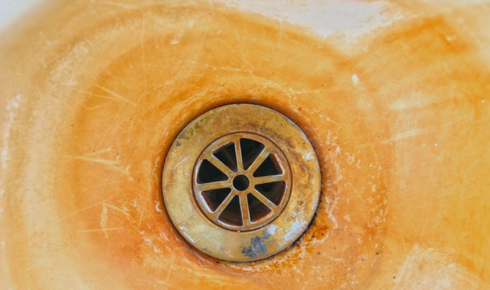
It doesn’t take a lab report to tell you something’s off. Sometimes, your water leaves little hints—on your taps, your clothes, even your skin. You notice them slowly. A faint white layer here, a stubborn mark there. Nothing dramatic, but enough to make you pause and think… is this normal?
For a while, most of us ignore it. Life moves on. But those small clues don’t really go away. They build up, quietly asking for attention.
The Story Your Fixtures Are Trying to Tell
Let’s start with the most visible sign—your fixtures. If you’ve ever wiped down your sink only to see those chalky spots reappear within a day or two, you’re not alone.
These are often signs of hard water problems, caused by excess minerals like calcium and magnesium. They’re not dangerous, but they’re persistent. Over time, they don’t just sit on surfaces—they work their way into pipes, appliances, even your washing machine.
And the effect? Things wear out faster. Soap doesn’t lather properly. Your laundry feels stiff, no matter how much detergent you use.
It’s the kind of issue that doesn’t shout, but definitely lingers.
Related perspective: Why Clean Water Starts with Better Planning, Not Better Luck
The Marks That Refuse to Disappear
Then there are the stains. Not the kind you can easily scrub away, but the ones that seem to come back stronger every time.
You clean your bathroom tiles, your glassware, your sink—and within days, those marks are back. It can feel like a losing battle.
These are classic water staining problems, often linked to minerals or iron content in your water. Depending on the source, they can show up as white streaks, reddish marks, or even cloudy patches on dishes.
What’s frustrating is how normal it starts to feel. You adjust your cleaning routine, maybe switch products, but the root cause stays the same.
Until you start looking at the water itself.
The Things You Can’t See (But Still Matter)
Not everything shows up on surfaces.
Related perspective: Why Professional Water Treatment Starts with Understanding Your Water
Some issues stay hidden, affecting taste, smell, or overall water quality without leaving obvious signs. Maybe your water has a slight metallic taste. Maybe it smells a bit off when you first turn on the tap.
These can be linked to water contaminants problems, which vary depending on your location, plumbing, and water source. It could be chlorine from municipal treatment, or trace elements picked up along the way.
Again, it’s not always about safety. Often, it’s about comfort—and the quiet feeling that something isn’t quite right.
Why These Issues Happen in the First Place
Water travels a long journey before it reaches your home. It passes through natural sources, treatment plants, and miles of pipes. Along the way, it picks up characteristics—some intentional, some not.
Hard water is common in many regions due to mineral-rich groundwater. Staining can come from iron or manganese. Taste and odor issues might be linked to disinfectants or organic matter.
None of this is unusual. In fact, it’s quite typical.
Related perspective: When Water Starts Tasting Different, It’s Usually Worth Paying Attention
But that doesn’t mean you have to accept it as your everyday experience.
Small Adjustments, Real Impact
Here’s the part most people don’t realize—improving water quality doesn’t always require a massive change.
Sometimes, a simple filtration system can reduce taste and odor issues. Water softeners can help with mineral buildup. Targeted solutions can address specific concerns without overcomplicating things.
The key is understanding what you’re dealing with.
Once you know that, the solutions become much clearer—and often more affordable than you expect.
The Subtle Benefits You Start Noticing
When water quality improves, the changes don’t usually feel dramatic. They’re quieter than that.
Related perspective: When Your Glass of Water Starts to Deserve a Second Thought
Your dishes come out cleaner. Your laundry feels softer. Your shower feels less harsh on your skin. Even your appliances seem to run a bit more smoothly.
These are the kinds of improvements you don’t notice all at once—but once you do, they’re hard to ignore.
And over time, they become your new normal.
Maintenance: The Part Nobody Talks About
Of course, no solution works forever without a little attention.
Filters need changing. Systems need occasional checks. It’s not the most exciting part, but it’s necessary.
The good news? It’s manageable. A bit of consistency goes a long way. Once it becomes part of your routine, it doesn’t feel like a chore anymore.
Related perspective: Why Reliable Plumbing Service Starts With Clear Communication
Just something you take care of—like anything else in your home.
A New Way of Looking at Water
At some point, your perspective shifts.
Water stops being something you take for granted and becomes something you understand, even if just a little. You notice differences—at home, at a friend’s place, even when traveling.
Not in a critical way. Just awareness.
And that awareness leads to better choices.
Where It All Comes Together
In the end, dealing with water issues isn’t about chasing perfection. It’s about paying attention to the signs and making small, thoughtful changes.
You don’t need to fix everything at once. You just need to start somewhere.
Because when your water feels right, everything else in your home seems to fall into place a little easier.
It’s subtle. Almost invisible. But once you notice it, you won’t want to go back.
