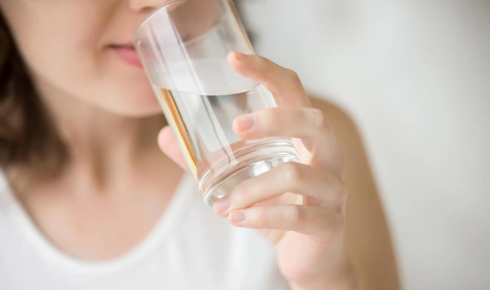
There’s a quiet moment most people don’t talk about. You fill a glass of water, take a sip, and pause. Not because it’s terrible—just because something feels… off. A faint sharpness, maybe a hint of something chemical. You swallow anyway, but the thought lingers longer than the taste.
It’s strange how something so basic can suddenly feel unfamiliar.
When Everyday Water Feels Different
Water is supposed to be neutral. That’s the expectation. It shouldn’t stand out, shouldn’t demand attention. But when it does, even slightly, it shifts your entire experience.
You might start noticing patterns. Maybe it tastes stronger at certain times of the day. Maybe it’s more noticeable when the water is warm. Or maybe it’s always there, just subtle enough to ignore until you really think about it.
These small changes are often linked to broader water quality issues—not necessarily dangerous, but worth understanding. Water travels through treatment systems, pipes, and storage before it reaches your home. Along the way, it picks up characteristics that affect how it tastes and feels.
Related perspective: That Slight Taste in Your Tap: What It Might Mean for the Water You Use Every Day
The Role of Chlorine (And Why It’s There)
In many areas, chlorine is used to disinfect water. It’s an important step in making water safe, helping eliminate harmful bacteria and microorganisms.
But chlorine has a personality of its own.
Even in small amounts, it can leave behind a noticeable taste or smell. Not overwhelming, just enough to make you hesitate before that second sip.
That’s where the idea of chlorine removal comes into play. Not because chlorine is inherently bad—it serves a purpose—but because many homeowners prefer water that feels cleaner and more neutral once it reaches their tap.
Taste Isn’t Just a Preference—It Shapes Habits
Here’s something interesting: when water tastes better, people tend to drink more of it.
Related perspective: Good Water at Home Depends on Care You Can Count On
It sounds obvious, but it’s true.
If your water has an off taste, you might unconsciously avoid it. You reach for something else—tea, coffee, bottled drinks—without even realizing why. Over time, that small shift can change your habits in ways you didn’t expect.
On the other hand, when your water feels right—clean, fresh, neutral—it becomes part of your routine again, without hesitation.
And that’s really the goal.
Simple Ways to Improve What You’re Drinking
The good news is, you don’t need a complicated setup to see improvement.
Related perspective: Rethinking Office Water: Why the Smallest Upgrade Can Change the Workday
Basic filtration systems can reduce chlorine levels and improve taste. Activated carbon filters, for example, are widely used and relatively easy to maintain. They don’t remove everything, but they often make a noticeable difference in how water feels.
For some households, that’s enough.
Others might explore more advanced options, depending on their needs. It all comes down to what you’re trying to improve.
Understanding What Matters to You
Not everyone has the same expectations when it comes to water.
For some, it’s about taste. For others, it’s about peace of mind—knowing that what they’re using every day is consistent and reliable. And for many, it’s a combination of both.
Related perspective: Why Clean Water at Home Is More Than a Luxury—It’s Something You’ll Appreciate Every Day
When it comes to drinking water, the experience matters just as much as the technical details. You want something that feels right, not just something that meets a standard.
And that’s where personal preference plays a bigger role than people often realize.
The Cost Question (Because It’s Always There)
Let’s be honest—any improvement comes with a cost.
Even simple filters require an initial investment and ongoing maintenance. For some, that’s enough to hesitate.
But it’s worth considering what you’re getting in return. Better taste. More confidence in what you’re drinking. Less reliance on bottled alternatives.
Related perspective: A Smarter Water Dispenser Can Quietly Improve the Whole Breakroom
It’s not just about fixing a problem—it’s about improving something you use every single day.
Maintenance: The Small Commitment That Pays Off
No system is completely hands-off.
Filters need to be replaced. Units need occasional checks. It’s not difficult, but it does require consistency.
The good news is, once it becomes part of your routine, it’s easy to manage. A small effort that keeps everything working the way it should.
A Final Thought
Water is one of those things we rely on without thinking. It’s part of the background of our lives, quietly supporting everything we do.
But when something changes—even slightly—it reminds us how important it really is.
Taking a moment to understand what’s in your water, and how it affects your daily experience, isn’t about overthinking. It’s about paying attention.
Because sometimes, the difference between “good enough” and “just right” is smaller than you think.
And when it comes to something as simple—and essential—as water, that difference can matter more than you expect.
