There’s a distinct sound most homeowners with wells recognize. A soft hum, maybe a click, and then water begins to flow. It’s subtle, easy to ignore when everything’s working right. But when that sound changes—or disappears—you suddenly realize how much depends on it.
Water doesn’t just arrive on its own in these homes. It’s drawn, pushed, and delivered by a system that works quietly in the background. And at the center of that system is something most people don’t think about until they have to.
The First Thing That Moves Water
When your home relies on a well, the journey of water starts underground. But the real work begins when it needs to reach your tap.
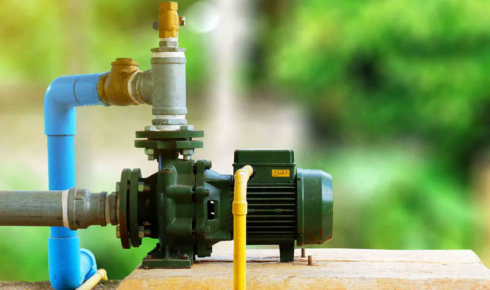
That’s where an above ground well pump often comes into play. Unlike submersible pumps that sit deep inside the well, this type is installed above ground, usually in a pump house or basement. It pulls water up using suction and pushes it into your home’s plumbing system.
What makes it interesting is how visible—and accessible—it is. If something needs adjusting or checking, you’re not dealing with equipment buried out of sight. It’s right there, part of your everyday environment, even if you don’t pay much attention to it most days.
Related perspective: Why the Right Water Treatment System Can Make a Noticeable Difference at Home
Not Just a Machine, but a System
It’s easy to think of the pump as a standalone piece of equipment. But in reality, it’s just one part of a larger setup.
A water well pump works alongside pressure tanks, pipes, and control switches to create a steady flow. The pump itself doesn’t run constantly. It cycles on and off, depending on demand and pressure levels.
That balance is what keeps everything running smoothly. Too much cycling, and the pump wears out faster. Too little, and water pressure can feel inconsistent. It’s a bit of a dance—one that’s usually well-choreographed, as long as everything is functioning properly.
The Feel of Consistent Pressure
You notice water pressure more through experience than observation. A strong, steady stream feels normal. Anything less feels… off.
The role of a well water pump isn’t just to move water—it’s to do so in a way that feels consistent. Whether you’re running a shower, filling a sink, or using multiple fixtures at once, the system is designed to keep up without making you think about it.
Related perspective: Why Clean Water at Home Is More Than a Luxury—It’s Something You’ll Appreciate Every Day
When it’s working well, you don’t notice anything. And that’s the goal.
But when something changes—pressure drops, flow becomes uneven—that’s when the pump starts to draw attention to itself.
The Subtle Signs of Trouble
Most pump issues don’t start with a complete failure. They build slowly.
You might hear the pump turning on more frequently than usual.
Or notice a slight delay before water starts flowing.
Maybe the pressure fluctuates just enough to feel inconsistent.
These aren’t always urgent problems, but they’re worth paying attention to. They often indicate that something in the system—whether it’s the pump, the pressure tank, or even a small leak—isn’t quite right.
Related perspective: Why Professional Water Treatment Starts with Understanding Your Water
Catching these signs early can save a lot of hassle later.
Maintenance That Keeps Things Simple
The good news is, maintaining a well pump system doesn’t have to be complicated.
A quick visual check now and then.
Listening for unusual sounds.
Making sure connections and fittings are secure.
For above-ground pumps, accessibility makes this even easier. You can see what’s happening, which helps you stay aware without needing specialized tools or constant monitoring.
Sometimes, that visibility is what makes the difference between a small fix and a larger issue.
Related perspective: The Quiet Care That Keeps a Water System Working Well
Choosing What Fits Your Home
Not every home uses the same type of pump. Factors like well depth, water demand, and available space all play a role in determining what works best.
Above-ground pumps are often preferred for shallow wells because they’re easier to install and maintain. Submersible pumps, on the other hand, are better suited for deeper wells where suction alone isn’t enough.
Understanding these differences doesn’t require technical expertise—just a bit of awareness. Knowing what type of system you have helps you make better decisions when it comes to maintenance or upgrades.
The Quiet Importance of Reliability
Water is one of those things you expect to work without interruption. You don’t plan your day around it—you assume it will be there when you need it.
That reliability depends on your pump system doing its job consistently. Not perfectly, not noisily—just steadily, in the background.
Related perspective: The Small Everyday Difference Better Home Water Can Make
And when it does, life feels normal. When it doesn’t, everything feels slightly off.
Final Thoughts
A well pump isn’t something most people think about often. It’s not visible in daily life, not part of conversations, not something you show off.
But it’s essential.
It’s what turns an underground source into something usable. What keeps your home running without requiring constant attention. And what reminds you, in small ways, that even the simplest comforts rely on systems working quietly behind the scenes.
So the next time you hear that soft hum and water begins to flow, it might be worth appreciating it for a moment.
Because sometimes, the most important parts of a home are the ones you hardly notice—until they stop.
