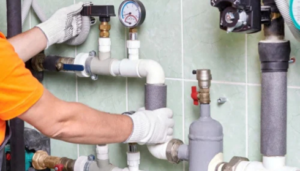
Most people don’t wake up in the morning thinking about pipes. Honestly, if your plumbing system is doing its job properly, you probably won’t think about it at all. Water comes out of the faucet, drains disappear quietly, toilets flush, and life moves along without interruption.
That invisible reliability becomes part of normal life.
But the moment something changes — low pressure, strange noises, slow drainage, or a leak behind the wall — plumbing suddenly becomes impossible to ignore. And usually, by the time homeowners or business owners notice a problem, the issue has already been developing quietly for a while.
That’s the difficult thing about plumbing systems. They rarely fail dramatically right at the beginning. Most problems start small enough to dismiss.
Clean Water Is Something We Quietly Expect Every Day
Reliable water supply is one of those things people naturally take for granted until it becomes inconsistent. You turn on the shower expecting pressure. You fill a glass from the kitchen sink without thinking twice. Restaurants, offices, schools, and homes all depend on water access constantly throughout the day.
When pressure suddenly drops or water quality changes, people notice immediately.
I remember visiting an older office building once where the water pressure fluctuated constantly during busy hours. At first employees joked about it, but over time the inconvenience started affecting everything from breakroom use to restroom functionality. Eventually they discovered aging pipes inside the building had narrowed significantly due to years of mineral buildup.
The issue hadn’t appeared overnight. It had slowly developed while everyone adapted to the decline without realizing how abnormal things had become.
That’s surprisingly common with plumbing systems.
Commercial Buildings Face Different Plumbing Challenges
Residential plumbing problems are stressful enough, but large buildings deal with an entirely different level of complexity. Hotels, restaurants, office spaces, retail centers, and industrial facilities all rely heavily on properly functioning infrastructure behind the scenes.
Reliable commercial plumbing systems have to manage much heavier usage than residential homes ever experience. Hundreds of people may use the same water and drainage systems daily, often simultaneously during peak hours.
And unlike a homeowner, businesses usually can’t simply “wait a few days” when plumbing issues appear.
A restaurant losing water access affects sanitation requirements immediately. Office restroom failures disrupt employees and visitors. Hotels depend on consistent water pressure and drainage to maintain guest comfort around the clock.
That’s why preventative maintenance becomes especially important in commercial environments. Small plumbing weaknesses tend to create much larger operational disruptions once they escalate.
And honestly, infrastructure failures in commercial spaces rarely happen during calm moments either. It’s usually during busy business hours when everything feels most stressful.
Funny how that works.
Small Leaks Often Point Toward Bigger Problems
One of the most frustrating things about plumbing is how hidden most of the system remains. Pipes behind walls or underground can develop problems quietly for months before visible symptoms finally appear.
A faint stain on the ceiling. Slightly warped flooring. A musty smell near a cabinet. Sometimes these signs seem harmless at first glance.
But water rarely stays contained once it escapes where it belongs.
Professional pipe repair work is often about more than fixing one damaged section. Experienced plumbers usually investigate why the issue developed in the first place. Corrosion, shifting pipes, excessive pressure, root intrusion, and aging materials all contribute to long-term plumbing problems.
I once heard about a homeowner who ignored a tiny drip beneath the kitchen sink because it only leaked occasionally. Months later, moisture damage had spread into the surrounding cabinets and flooring underneath. The original repair itself was relatively simple — the water damage afterward was what became expensive.
That’s why even small plumbing issues deserve attention earlier rather than later.
Older Buildings Carry Hidden Plumbing Stories
There’s definitely something appealing about older homes and buildings. Character, craftsmanship, mature landscaping — they often feel warmer and more personal than newer developments.
But older plumbing infrastructure usually comes with years of hidden wear too.
Galvanized pipes corrode internally over time. Drainage systems settle gradually underground. Connections weaken after decades of pressure and temperature changes. Sometimes plumbing materials used years ago simply weren’t designed for today’s demands.
The difficult part is that these systems often deteriorate slowly enough for people to adapt to the symptoms.
Weak water pressure becomes “normal.” Slow drains feel manageable. Pipe noises get ignored because they’ve existed for years.
Until eventually something larger fails unexpectedly.
Maintenance Isn’t Exciting — But It Prevents Emergencies
Nobody gets excited about plumbing maintenance. Let’s be honest. Most people would rather spend money on visible upgrades than inspecting pipes or water lines.
But preventative maintenance consistently prevents larger disruptions later.
Simple habits genuinely help:
- Watching for sudden utility bill increases
- Addressing slow drains early
- Paying attention to unusual plumbing noises
- Inspecting visible pipes occasionally
- Scheduling inspections for older systems
These small actions often catch problems before major damage occurs.
And honestly, emergency plumbing repairs are almost always more stressful than preventative care.
Reliable Plumbing Creates Everyday Comfort
At the end of the day, the best plumbing systems are usually the ones nobody notices.
Water flows consistently. Bathrooms function normally. Drains clear quietly. Buildings stay comfortable because countless hidden pipes and fixtures continue working in the background without demanding attention.
And maybe that’s what makes plumbing so underrated. It quietly supports nearly every part of daily life while remaining almost completely invisible most of the time.
Until something stops working.
Then suddenly those hidden systems become the most important thing in the building.
