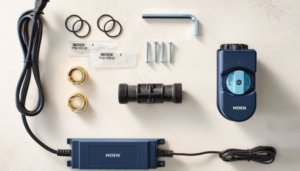
Most homeowners don’t think much about their plumbing until something goes wrong. And honestly, that makes sense. Pipes are hidden behind walls, under floors, and above ceilings doing their job quietly every day. Water flows when you need it, disappears when you don’t, and life moves on.
Until one small leak changes everything.
A loose washing machine hose. A cracked pipe connection under the sink. A water heater leaking slowly overnight while everyone sleeps upstairs. Water damage has a way of turning ordinary days into expensive repair projects faster than people expect.
That’s probably why more homeowners are paying attention to smart plumbing technology lately — not because it feels flashy, but because prevention suddenly sounds much more appealing after hearing enough disaster stories.
Water Problems Usually Start Quietly
The frustrating thing about plumbing leaks is that they rarely announce themselves dramatically in the beginning. Most start small.
A faint drip inside a wall. Moisture building slowly under flooring. A tiny crack in an appliance hose nobody checks regularly. By the time visible signs appear — warped wood, peeling paint, musty smells — water may have already spread through large sections of the home.
Related perspective: The Part Nobody Talks About: Keeping Your Water System Actually Working
And honestly, that’s what makes water damage so stressful. It hides well.
One homeowner I spoke with discovered a leak only after noticing her hardwood floors felt slightly warm near the kitchen for several days. Turns out a pipe beneath the floorboards had been leaking slowly for weeks.
She kept saying afterward, “I wish I’d known earlier.”
That’s the common theme with water damage. Timing matters.
Smart Homes Are Expanding Beyond Security
A few years ago, “smart home technology” mostly meant security cameras, thermostats, and voice assistants telling people the weather while they made coffee. Now homeowners are applying the same idea to plumbing systems too.
Modern water sensors and connected devices can detect unusual moisture levels, monitor water flow patterns, and send alerts directly to smartphones if something feels off. Some homeowners start small with sensors near washing machines or water heaters. Others install full-home solutions connected directly to the main water supply.
Related perspective: Why the Right Water Treatment System Can Make a Noticeable Difference at Home
And honestly, the appeal is pretty understandable.
People already monitor their doorbells, heating systems, and even refrigerators from their phones. Monitoring water suddenly doesn’t seem nearly as excessive as it once did.
Small Changes in Water Use Can Reveal Bigger Problems
One surprisingly useful feature in newer systems is water usage tracking. Homeowners can monitor how much water the house uses daily and spot unusual patterns that might otherwise go unnoticed.
For example, if water usage spikes overnight while nobody is awake, that could indicate a hidden leak somewhere in the plumbing system. Sometimes these systems catch problems before visible damage even appears.
A plumber once explained it in a really simple way: “Your house tells you when something’s wrong. Most people just don’t hear it.”
Technology helps people hear it sooner.
Related perspective: Choosing and Installing a Tankless Water Heater the Right Way
And honestly, once homeowners start seeing their water usage data regularly, they often become more aware of waste too. Long showers, leaking toilets, inefficient appliances — it all becomes easier to spot.
Monitoring Systems Reduce More Than Damage
What surprises many homeowners after installing smart leak technology isn’t only the practical protection. It’s the reduction in stress.
Leaving home for vacation feels different when you know your plumbing is being watched. Winter storms become slightly less nerve-racking. Even work trips feel easier because you’re less worried about returning home to soaked floors and damaged ceilings.
A reliable monitoring system provides something homeowners don’t always realize they need until they have it: reassurance.
And honestly, peace of mind has value.
Homeownership already comes with enough unpredictable maintenance costs. Roof repairs happen. Appliances fail. HVAC systems break at the worst possible time. Preventing avoidable water disasters simply removes one major risk from the equation.
Related perspective: Why Clean Water at Home Is More Than a Luxury—It’s Something You’ll Appreciate Every Day
Emergency Features Can Prevent Catastrophic Damage
Some advanced systems go beyond alerts and monitoring entirely by offering automatic emergency shutoff capabilities. If the system detects major leaks or unusual water flow patterns, it can stop water supply automatically before serious flooding occurs.
At first glance, that feature sounds overly technical or unnecessary.
Until you hear stories about burst pipes flooding homes while families were away for the weekend.
One family I read about avoided massive damage because their system shut off the water supply minutes after detecting abnormal flow from a broken dishwasher line. Without automatic shutoff, the leak could have continued for hours.
That’s the kind of situation homeowners remember.
Older Homes Benefit the Most
While any property can experience plumbing issues, older homes tend to benefit especially from modern monitoring systems because aging pipes and fittings become more vulnerable over time.
Related perspective: Why Clean Water Starts with Better Planning, Not Better Luck
The difficult part is that plumbing ages invisibly. Homeowners can’t easily see corrosion building inside pipes or stress developing around old connections hidden behind walls.
That uncertainty makes early detection incredibly valuable.
Even small sensors placed near high-risk areas — water heaters, sinks, laundry machines — can catch issues before they escalate into major repairs. It’s not glamorous technology, but it’s practical in a very real-world kind of way.
Quiet Protection Matters More Than Flashy Upgrades
The interesting thing about smart plumbing systems is that they’re not the kind of home upgrades people usually show off. Nobody invites guests over to admire moisture sensors or leak alerts on their phone.
But maybe that’s what makes them useful.
The best systems often work quietly in the background without demanding attention until they’re genuinely needed. And honestly, many homeowners are starting to appreciate those kinds of invisible improvements more than flashy cosmetic upgrades.
Because preventing a disaster almost always feels better than repairing one afterward.
At the end of the day, smart water technology isn’t really about gadgets or automation. It’s about protecting the place people spend most of their lives — quietly, consistently, and before small problems become expensive ones.
