Most people don’t think deeply about water until something about it starts feeling wrong.
Maybe the tap develops a strange taste one week. Maybe the shower leaves your skin dry no matter how much moisturizer you use. Sometimes it’s something subtle, like cloudy ice cubes or white residue collecting around faucets. Other times it’s more obvious — sediment in the bathtub after heavy rain or coffee that suddenly tastes flat for no clear reason.
The funny thing is, water problems rarely arrive dramatically. They creep in quietly.
And once you start noticing them, it becomes surprisingly difficult to stop paying attention to what’s actually flowing through your home every single day.
Clean Water Means Different Things to Different Homes
One thing homeowners quickly discover while researching water systems is that “clean water” isn’t a one-size-fits-all concept.
Some homes struggle with mineral-heavy hard water. Others deal with chlorine taste, sediment, sulfur odors, or aging plumbing. A rural property using well water may face completely different challenges compared to a suburban home connected to a city supply.
Related perspective: Why Clean Water at Home Is More Than a Luxury—It’s Something You’ll Appreciate Every Day
That’s partly why water treatment conversations have become so much more common lately. People aren’t just asking whether water is technically safe anymore. They’re asking whether it tastes good, feels clean, protects appliances, and improves daily comfort overall.
And honestly, those are fair questions.
Sediment Is More Common Than People Think
One issue homeowners often underestimate is sediment.
Tiny particles from old pipes, wells, municipal infrastructure, or disturbed water lines can slowly build up inside plumbing systems and appliances over time. Sometimes the particles are visible. Sometimes they’re small enough that people only notice indirect effects like reduced water pressure or cloudy glassware.
That’s where sediment filtration becomes important.
These systems help capture debris before it spreads throughout the house, reducing wear on plumbing fixtures, dishwashers, washing machines, and water heaters. They also help improve water clarity, which sounds like a small thing until you’ve spent months wondering why your sink never quite looks clean.
Related perspective: Why Iron in Your Water Is More Than Just a Cosmetic Issue
A friend of mine once thought their dishwasher was failing because dishes always came out dull and gritty. Turns out the real issue was sediment quietly circulating through the plumbing system.
Why Reverse Osmosis Keeps Coming Up
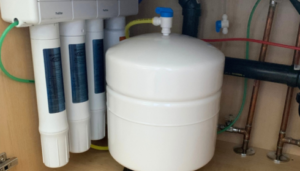
If you’ve researched water systems online for even ten minutes, you’ve probably seen people talking about reverse osmosis systems constantly.
At first, the term sounds intimidating — almost overly technical. But the basic concept is fairly straightforward. Water passes through an ultra-fine membrane designed to reduce dissolved particles and impurities that simpler filters may miss.
That’s one reason reverse osmosis systems are especially popular for drinking water applications. Many homeowners notice significant improvements in taste, odor, and overall water clarity after installation.
Coffee tastes cleaner. Ice cubes lose strange aftertastes. Cooking feels more consistent somehow.
Still, not every household necessarily needs a full reverse osmosis setup. The right solution depends heavily on the actual water conditions involved.
Related perspective: Why Water Systems Matter More Than Most People Notice
Testing Water Before Buying Equipment Makes Sense
One mistake people make is rushing to buy expensive systems before understanding what problem they’re trying to solve.
The internet has a way of making everyone panic about water quality after reading a few dramatic articles. But reality is usually more practical than that.
Testing helps identify:
- Hard water minerals
- Sediment levels
- Chlorine content
- pH balance
- Sulfur issues
- Potential contaminants
- Plumbing-related concerns
Without testing, homeowners are mostly relying on taste, smell, or internet advice — and honestly, none of those are fully reliable on their own.
The good news is that testing often brings clarity quickly. Once people understand what’s actually happening in their water, solutions feel much less overwhelming.
Water Quality Affects More Than Drinking
This part surprises people sometimes.
Related perspective: Why Homeowners Are Paying Closer Attention to the Water They Use Every Day
Improving water quality doesn’t only affect what comes out of a glass in the kitchen. Water touches nearly every part of home life:
- Showers
- Laundry
- Coffee makers
- Dishwashers
- Water heaters
- Bathroom fixtures
- Cooking
Cleaner water often means fewer mineral deposits, softer laundry, cleaner dishes, and less buildup inside appliances over time.
One homeowner described upgrading their filtration setup as “making the entire house feel easier to maintain.” That’s honestly a pretty accurate way to explain it.
Contaminant Reduction Isn’t Just About Fear
The phrase contaminant reduction sometimes sounds overly dramatic online because marketing tends to lean heavily into fear.
In reality, most homeowners aren’t trying to create laboratory-grade water systems. They simply want reassurance. Better taste. Reduced buildup. More confidence in the water their family uses every day.
That emotional comfort matters.
Related perspective: Why the Water in Your Home Deserves More Attention Than It Usually Gets
You stop second-guessing the tap water. Guests stop asking for bottled drinks. Kids refill their water bottles without hesitation. Tiny moments like that quietly improve daily life more than people expect.
Modern Systems Are Easier Than They Used to Be
Older filtration systems often had a reputation for being bulky or difficult to maintain. Thankfully, technology has improved a lot over the years.
Modern systems are generally:
- More compact
- Easier to service
- More energy efficient
- Better monitored
- More customizable
Many setups now include filter-change indicators or automated maintenance reminders, which helps homeowners avoid the old “install it and forget it forever” mistake that reduces performance over time.
There’s No Universal Perfect Setup
This is important enough to repeat: no single filtration system is ideal for every home.
A city apartment may only need a small under-sink filter. A rural well-water property may require sediment filtration, softening, and advanced purification combined together. Water conditions vary dramatically depending on region, infrastructure, plumbing age, and underground geology.
That’s why professional testing and thoughtful system design usually matter more than chasing the most expensive equipment online.
Final Thoughts
Water is one of those invisible parts of daily life people rarely think about until something starts feeling slightly off. But once you improve it, the difference quietly spreads into dozens of everyday routines — drinking, cooking, showering, cleaning, even maintaining appliances.
The good news is that modern filtration options make it easier than ever for homeowners to understand their water and choose solutions that genuinely fit their needs.
And honestly, there’s something deeply reassuring about turning on the tap and feeling confident about what comes out every single time.
