There’s a certain comfort in not having to think about your water. You turn on the tap, fill a glass, take a sip — no hesitation, no second thoughts. It’s one of those everyday things that should just work.
But sometimes, it doesn’t feel that simple.
It might be something small. A slightly odd taste. A faint smell you can’t quite place. Or maybe nothing obvious at all — just a quiet curiosity that creeps in over time. And once you start thinking about your water, it’s surprisingly hard to stop.
When “Good Enough” Stops Feeling Good Enough
Most of us grow up trusting that our water is fine. It looks clear, it’s available, it does its job. That’s enough, right?
But the more you pay attention, the more you realize that water quality isn’t always as straightforward as it seems. It can change depending on where you live, the source it comes from, even the pipes it travels through.
Related perspective: That Slight Taste in Your Tap: What It Might Mean for the Water You Use Every Day
And those changes don’t always show up in obvious ways. Sometimes they’re subtle — a difference in taste, a bit of residue, a feeling that something’s just slightly off.
It’s not about alarm. It’s about awareness.
The Hidden Layer Beneath the Surface
Water can carry a lot without showing it. Minerals, dissolved solids, tiny particles — things you wouldn’t notice just by looking at it.
That’s where the idea of improving your water starts to make sense. Not because something is clearly wrong, but because there’s room to make it better.
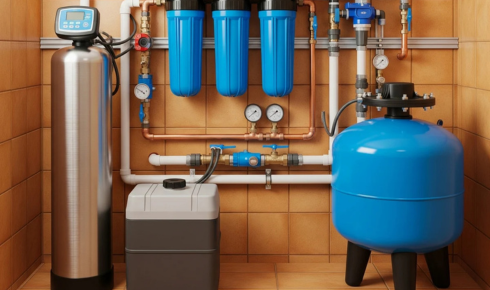
For many people, that leads to exploring filtration systems. These aren’t just about removing visible impurities. They’re about refining water at a level you can’t see, but can definitely experience over time.
Related perspective: The Kind of Clean Water You Don’t Have to Think About
The difference might not hit you instantly. But after a while, it becomes something you rely on without even realizing it.
Thinking Beyond the Glass
We often associate water with what we drink. A glass at dinner, a bottle for the day. But water touches far more than that.
It’s in your cooking, your coffee, your cleaning routines. It affects how your appliances perform and how your home feels overall.
That’s why the conversation often shifts toward having safe water throughout your space — not just in one place, but everywhere you use it. It’s less about a single improvement and more about creating consistency.
And consistency brings a kind of quiet confidence.
Related perspective: A Glass You Don’t Think Twice About: Why Better Water Changes Everything Quietly
The Small Changes That Add Up
One of the most interesting things about improving water is how the benefits show up in small ways.
Your tea tastes a bit cleaner. Your dishes don’t come out with those stubborn spots. Your appliances seem to run a little more smoothly. Even cleaning tasks feel slightly easier.
None of these changes are dramatic. They don’t demand attention. But together, they make your daily routine feel just a little better.
And over time, that “little better” becomes something you don’t want to lose.
Keeping It Practical
It’s easy to get overwhelmed once you start looking into water options. There are so many choices, so many claims, that it can feel like you need to understand everything before making a decision.
Related perspective: The Day You Realize Water Isn’t Just… Water
But you don’t.
Start with what you’ve noticed. The small signs, the subtle differences. Those are your best clues. From there, take a step that feels reasonable for your home.
It doesn’t have to be perfect. It just has to be an improvement.
A Change That Becomes Invisible
The funny thing about better water is that, after a while, you stop thinking about it. Not because it stops working, but because it works so well it blends into your routine.
You fill a glass without hesitation. You cook, clean, and go about your day without that quiet doubt in the back of your mind.
Related perspective: Why Clean Water at Home Is More Than a Luxury—It’s Something You’ll Appreciate Every Day
And maybe that’s the real goal — not to constantly think about water, but to trust it.
A Quiet Kind of Upgrade
At the end of the day, improving your water isn’t about making a big statement. It’s about making a small, meaningful change to something you use every single day.
Water is one of the simplest things in your home, yet it has a surprisingly big impact on how everything feels.
And when it works the way it should, you barely notice it at all.
Which, in a way, means you’ve gotten it exactly right.
