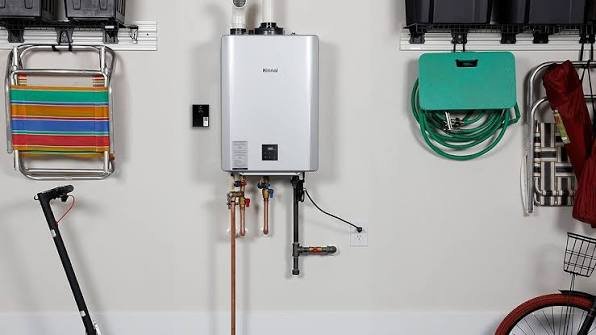
There’s something wonderfully simple about turning on a tap and getting hot water exactly when you need it. Until, of course, the water runs cold halfway through a shower or the old heater starts taking up half the utility room. That’s usually when homeowners begin looking at alternatives.
Tankless water heaters have become an appealing option for people who want on-demand hot water, a smaller equipment footprint, and potentially better energy performance. But buying the unit is only part of the job. The real difference often comes from choosing the right system and installing it correctly.
Start With a Proper Evaluation
Before replacing an existing water heater, it’s worth looking at the entire setup rather than simply removing the old unit.
A thorough System Evaluation can consider water pressure, plumbing connections, fuel availability, electrical capacity, ventilation, household size, and the number of fixtures that may use hot water at the same time.
That last point matters more than people sometimes realize. A heater that works perfectly for one bathroom may struggle when two showers, a washing machine, and a dishwasher are operating together.
Knowing the property’s actual needs makes the rest of the decision much easier.
Why Equipment Selection Matters
Not every tankless water heater is built for the same application. Models differ in heating capacity, fuel type, flow rate, physical size, controls, and installation requirements.
Related perspective: Why the Right Water Treatment System Can Make a Noticeable Difference at Home
Thoughtful Equipment Selection means looking beyond the price tag. Consider how much hot water the property uses, whether the unit will run on gas or electricity, and what the local water conditions are like.
For example, a household with modest hot-water use may not need the same capacity as a large family. A commercial property, meanwhile, may have dramatically higher peak demand.
Choosing equipment based on actual usage is usually a better strategy than simply buying the biggest model available.
Understanding Flow Rate
Tankless systems heat water as it passes through the unit. That means flow rate becomes an important part of the equation.
Every fixture uses a certain amount of water. A shower, kitchen faucet, washing machine, and dishwasher may all draw water at different rates.
If several fixtures operate simultaneously, the heater needs enough capacity to raise the incoming water to the desired temperature.
This is why sizing matters. An undersized unit may leave you with disappointing water temperatures during busy periods. An oversized system, on the other hand, may cost more than necessary.
Related perspective: Choosing the Right Pipes for Your Home: A Conversation Worth Having Before Problems Begin
A professional can calculate expected demand rather than relying on guesswork.
Installation Is More Than Mounting a Box
Tankless heaters are compact, but their installation can be more involved than it looks.
A Professional Tankless Water Heater Installation should account for water connections, electrical requirements, gas supply where applicable, venting, drainage, controls, and manufacturer specifications.
Gas units require appropriate ventilation and combustion air. Electric models may require substantial electrical capacity depending on their design.
The existing plumbing may also need modifications. In some homes, the installation location isn’t ideal for the new equipment, so additional planning is necessary.
Taking shortcuts during installation can create performance, safety, and reliability problems later.
Don’t Ignore Water Quality
Water chemistry can have a significant effect on tankless equipment.
Related perspective: When Clean Water Isn’t Just About the Start—It’s About Keeping It That Way
Hard water contains calcium and magnesium that can accumulate inside the heat exchanger. Over time, mineral deposits can restrict heat transfer and reduce efficiency.
If the property has hard water, the system may need more frequent maintenance. In some cases, water treatment can help protect the equipment.
A water test can provide useful information before installation. If you know what’s in the water, you can plan for it instead of waiting for scale buildup to become a problem.
Why Maintenance Still Matters
One common misconception is that tankless water heaters are maintenance-free because they don’t have a storage tank.
That’s not quite true.
Depending on the model and local water conditions, periodic flushing or descaling may be recommended. Filters, valves, connections, and other components may also need inspection.
Regular maintenance can help the system maintain proper heat transfer and performance.
Related perspective: Why Clean Water at Home Is More Than a Luxury—It’s Something You’ll Appreciate Every Day
It’s easy to postpone maintenance when everything seems fine. But equipment often gives you the most trouble after small issues have been ignored for too long.
Think About Energy Use
One reason people consider tankless technology is the potential for reduced standby heat loss.
Traditional storage heaters keep a large volume of water hot, even when no one is using it. Tankless units generally heat water when there is demand, which can reduce the energy associated with maintaining a hot tank.
That doesn’t mean every household will see dramatic savings. Actual performance depends on water usage, energy prices, climate, system efficiency, and how the equipment is operated.
Still, for the right property, the difference can be worthwhile.
Space Can Be a Major Advantage
Storage tanks can take up valuable floor space. This can be frustrating in smaller homes where utility areas are already crowded.
Tankless units are typically wall-mounted and considerably more compact. That can make a utility room easier to access and potentially free up space for storage or other equipment.
Related perspective: Why Clean Water Starts with Better Planning, Not Better Luck
For renovations, this is sometimes one of the biggest practical advantages.
But don’t choose the installation location based on appearance alone. The unit needs adequate access for service and must meet the manufacturer’s requirements.
Look Beyond the Initial Price
A tankless system may cost more to purchase and install than a basic conventional water heater.
That’s only one part of the financial picture.
Consider energy use, expected service life, maintenance, replacement components, warranty coverage, and installation costs. A more expensive system can sometimes provide better long-term value, but only if it actually suits the property.
Ask questions before committing. What maintenance will be required? How often should the unit be serviced? What happens if water hardness is high? Are future repairs easy to access?
Clear answers are worth more than a flashy sales pitch.
A Good Installation Starts With Good Planning
Tankless water heating can be an excellent upgrade, but the technology works best when the details are handled properly.
Start by evaluating your current system and hot-water habits. Choose equipment that matches real demand. Check water quality, understand installation requirements, and plan for maintenance from day one.
Most importantly, don’t treat installation as an afterthought.
When the heater is properly selected, correctly sized, professionally installed, and maintained, it can provide reliable hot water without taking over your utility space.
That’s really the goal. Not the newest gadget, not the biggest unit, and not simply the cheapest option — just a water-heating system that quietly does its job, day after day, without making you think about it.
