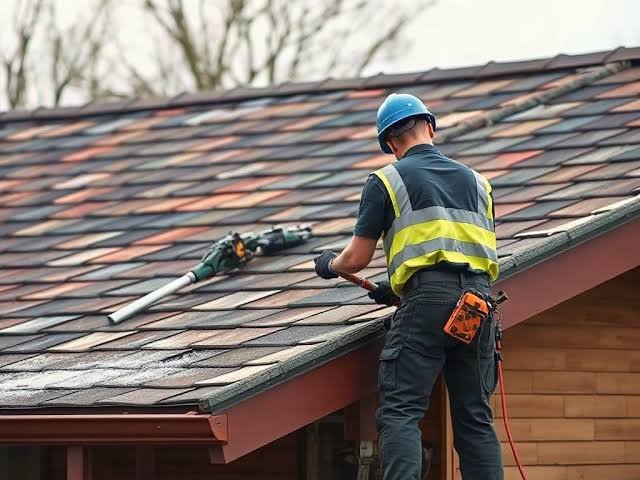
Most homeowners don’t spend much time thinking about their roof until something goes wrong. A dark patch appears on the ceiling, a shingle lands in the driveway after a windy night, or rainwater starts dripping into a room that was perfectly dry the day before. These problems can be stressful, especially when you’re unsure how serious they are or what fixing them might involve.
The good news is that many roofing problems become easier to manage when they’re identified early. Regular maintenance, timely repairs, and advice from a qualified professional can help protect a property and reduce the likelihood of unexpected damage. A roof doesn’t need constant attention, but it does deserve a little care now and then.
Why Your Roof Deserves Regular Attention
A roof does much more than give a house its finished appearance. It acts as a barrier against rain, wind, sunlight, and changing temperatures. It also works alongside gutters, flashing, ventilation, and insulation to help keep the building dry and comfortable.
Over time, even durable materials can show signs of wear. Sun exposure may make shingles brittle, strong winds can loosen roofing materials, and repeated temperature changes can place stress on joints and seals. Gutters may become blocked by leaves and small branches, causing water to overflow instead of draining away from the home.
These issues don’t always create an immediate leak. Sometimes the first signs are subtle, such as granules collecting near a downspout, peeling paint near an exterior wall, or a musty smell in an attic. Paying attention to small changes can help homeowners arrange repairs before the damage spreads.
Knowing When to Call a Roofing Professional
Some signs of roof damage are easy to spot from the ground. Missing shingles, bent metal flashing, sagging gutters, and debris lodged along roof edges may indicate that something needs attention. Inside the home, water stains, bubbling paint, and damp insulation can point to moisture entering the building.
However, it’s important not to climb onto a roof just to investigate. Sloped surfaces can be slippery, and hidden structural damage may make certain areas unsafe. A professional inspection is a safer way to understand what’s happening, particularly after a severe storm or when a leak has appeared unexpectedly.
Reliable roofing services can cover everything from routine maintenance and minor repairs to larger restoration or replacement projects. The appropriate solution depends on the roofing material, the age of the system, the extent of the damage, and whether the underlying structure has been affected.
A good contractor should explain what they find and distinguish urgent problems from issues that can be monitored. Homeowners deserve practical advice, not unnecessary alarm. If a small repair is sufficient, that should be part of the conversation. If the roof is nearing the end of its useful life, the contractor should explain why a larger project may offer better long-term value.
Repairs, Replacement, and Making the Right Choice
One of the most common questions homeowners face is whether to repair an existing roof or replace it entirely. There isn’t a single answer that fits every property.
A localized leak caused by damaged flashing may be resolved without replacing the entire roof. A few missing shingles can sometimes be repaired, provided the surrounding materials remain in good condition. On the other hand, widespread deterioration, recurring leaks, or significant damage to the roof decking may require a more extensive solution.
The age of the roof is only one part of the decision. Its maintenance history, the type of material installed, and the cost of ongoing repairs should also be considered. A roof that has needed repeated patching over a short period may be telling you something.
Ask for a clear explanation of the available options. A written estimate should describe the work, materials, labor, cleanup, and any relevant warranty information. If the contractor anticipates that additional damage might be discovered once old materials are removed, ask how those findings will be documented and priced. Knowing how unexpected costs will be handled makes the process less stressful.
What Quality Workmanship Looks Like
A roofing project involves more than installing new shingles or sealing a visible opening. Proper preparation, suitable materials, careful installation, and attention to drainage all contribute to how well the finished roof performs.
Flashing around chimneys, vents, skylights, and roof intersections deserves particular attention because these areas can be vulnerable to water intrusion. Gutters and downspouts should also be checked to make sure water can move away from the building as intended. A roof may look attractive from the street, but its performance depends on details that aren’t always visible.
A contractor focused on efficiency & excellence should organize the work carefully while maintaining appropriate standards. Efficiency doesn’t mean rushing through important steps. It means planning the project, using materials correctly, communicating with the homeowner, and avoiding preventable delays.
Before work begins, ask about the expected schedule, property access, and how the crew will protect landscaping and outdoor furniture. Roofing work can create noise and debris, so a little preparation helps everyone know what to expect. Once the project is complete, confirm that waste materials have been removed and that you understand any care or maintenance recommendations.
Keeping Roofing Costs Manageable
Roofing expenses can vary widely. The size and slope of the roof, the materials selected, the accessibility of the property, and the extent of any hidden damage can all affect the final cost. That’s why a detailed assessment is more useful than relying on a rough figure given without examining the roof.
It’s sensible to compare more than one estimate for a substantial project. Still, the lowest price isn’t always the best choice. A quote that leaves out necessary preparation or uses unsuitable materials may lead to extra costs later. Compare the scope of work, material specifications, warranty terms, and cleanup arrangements rather than looking at the total alone.
Homeowners should also keep records of inspections, repairs, invoices, and warranties. If storm damage is involved, take photographs when it is safe to do so and contact your insurance provider to understand the policy requirements. Coverage varies, so avoid assuming that every repair will qualify for reimbursement.
Regular maintenance can help spread costs over time, too. Clearing gutters, trimming branches away from the roof, and arranging periodic inspections may help identify developing problems before they become more expensive to address.
Start With a Clear Picture of Your Roof’s Condition
You don’t need to wait for water to reach the living room before taking roof maintenance seriously. If you’ve noticed loose shingles, recurring leaks, damaged flashing, or other signs of wear, getting professional advice is a sensible next step.
When you book a free inspection, ask what areas will be assessed, whether the contractor will document any concerns, and how recommendations will be explained. An inspection should leave you better informed about the condition of your roof and the steps worth considering, without pressure to agree to work on the spot.
Your roof is an important part of the home, even when it’s out of sight. Looking after it means paying attention to small warning signs, choosing repairs thoughtfully, and working with professionals who respect your property and your budget. A little planning today can help you avoid bigger headaches tomorrow—and let you get back to enjoying the home beneath it.