

Most of us assume clean water will always be there when we turn on the faucet. It’s one of those quiet comforts woven into everyday life so deeply that we rarely stop to think about how much infrastructure works behind the scenes to make it possible.
You wake up, fill a glass from the sink, start the shower, wash vegetables before dinner — it all feels automatic. Safe. Reliable.
But the truth is, modern plumbing systems rely on a surprising number of hidden protections to keep clean water separate from contamination risks. And honestly, most homeowners don’t think about those protections until an inspection, plumbing issue, or city notice suddenly brings them up.
That’s especially true when it comes to backflow and cross-connections.
The Plumbing You Don’t See Still Matters
When people think about plumbing, they usually picture visible things: faucets, toilets, sinks, maybe a leaking pipe under the kitchen cabinet. But some of the most important parts of a home’s plumbing exist quietly behind walls, underground, or attached to systems homeowners rarely inspect themselves.
I remember helping a family member deal with a home inspection a few years ago when the inspector mentioned concerns about a sprinkler setup outside. Nobody standing there fully understood what he meant at first. The irrigation system worked fine. Water pressure seemed normal. Everything looked harmless.
But the issue involved a potential cross connection between irrigation water and the household supply — something that could allow contaminated water to move where it shouldn’t under certain pressure conditions.
That moment really highlighted how much modern plumbing safety depends on systems people barely notice day to day.
Water Doesn’t Always Move the Direction You Expect
Most homeowners assume water only flows one way through pipes. Usually, it does. But pressure changes inside municipal systems or household plumbing can sometimes force water backward unexpectedly.
That reversal, called backflow, creates risks when clean water lines connect too closely with sources that may contain fertilizers, chemicals, stagnant water, or other contaminants.
It sounds complicated at first, but the concept is actually pretty simple: plumbing systems need safeguards to stop contaminated water from mixing with clean drinking water.
And honestly, once you realize how many things around a property interact with water — irrigation systems, pools, boilers, outdoor hoses, chemical sprayers — the need for contamination prevention starts making a lot more sense.
The scary part is that contamination risks often stay invisible. You can’t always see a problem developing immediately the way you’d notice a leaking faucet or flooded floor.
That’s why prevention matters so much more than reacting after the fact.
Small Plumbing Details Have Big Consequences
One thing homeownership teaches people eventually is that seemingly minor systems often have surprisingly important jobs.
A tiny valve. A pressure regulator. A hidden prevention device outside near the sprinkler controls. These things don’t attract attention because they work quietly in the background. But when they fail, the consequences can become serious quickly.
The interesting part is how many homeowners assume plumbing safety only matters inside the house itself. In reality, outdoor systems often create some of the biggest contamination risks if proper safeguards aren’t installed.
Garden hoses submerged in standing water. Fertilizer systems attached to irrigation lines. Commercial equipment connected improperly. Even something simple can potentially affect the broader water system if backflow protection isn’t functioning correctly.
That’s why cities and municipalities take these issues seriously, especially for commercial properties and homes with irrigation setups.
Why Regular Inspections Matter
Most plumbing safety devices don’t really announce when they’re failing. Unlike a broken appliance, there’s often no obvious warning sign for homeowners.
That’s where inspections become valuable.
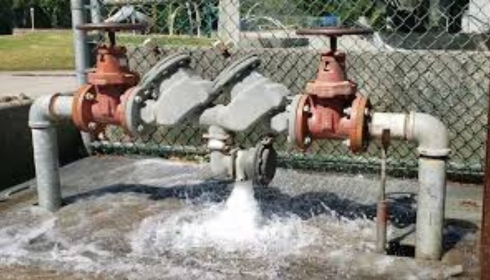
Certified plumbers and inspectors can test backflow prevention assemblies, identify aging components, and spot potential cross-connections before they become larger risks. In many areas, annual testing is required for certain systems because local governments understand that prevention works best before contamination happens at all.
Some homeowners see these inspections as annoying maintenance requirements. Honestly, I get it. Nobody loves adding another task to the homeownership checklist.
But considering what’s actually being protected — clean drinking water — the bigger picture becomes easier to appreciate.
Plumbing Safety Is Mostly Invisible
There’s something interesting about the systems that matter most in daily life: we barely notice them when they work properly.
Electricity flows. Water arrives clean. Drains carry waste away. The best infrastructure usually feels invisible because it quietly supports normal life without demanding attention constantly.
That’s probably why homeowners often underestimate plumbing safety systems. They don’t create visible excitement. Nobody shows off a properly functioning backflow preventer to guests during a house tour.
But these systems quietly protect families every single day without asking for recognition.
And honestly, that kind of reliability deserves more appreciation than it usually gets.
Prevention Is Usually Easier Than Repair
One lesson repeated constantly in home maintenance is that preventative care almost always costs less — financially and emotionally — than emergency situations later.
Addressing plumbing safety concerns early helps avoid contamination risks, regulatory issues, expensive repairs, and stressful uncertainty later on. The hidden systems behind walls and underground deserve occasional attention before problems develop quietly over time.
Because water problems rarely improve through neglect.
Final Thoughts
Most homeowners never think much about cross-connections or backflow prevention until someone points out a problem during an inspection. Yet these systems quietly play a major role in protecting the safety and reliability of everyday water use.
The plumbing hidden behind walls and beneath yards does far more than simply move water around. It protects health, prevents contamination, and helps ensure clean water reaches homes safely every single day.
And honestly, there’s something reassuring about knowing those invisible protections are quietly doing their job while ordinary life carries on around them.
