
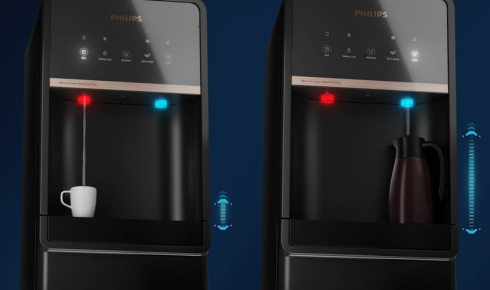

A good water station doesn’t seem like a big deal until people start using it every day. In an office, clinic, gym, showroom, or shared workspace, water is one of those simple comforts that keeps the day moving. Someone wants cold water after a long meeting. Someone else needs hot water for tea. A visitor asks for a quick drink. Small moments, yes, but they happen again and again.
The old setup — bulky bottles, limited options, and a cooler that looks like it belongs in 2004 — can make a modern space feel a little behind. Today’s workplaces need water access that is cleaner, easier, and more practical.
Why Convenience Matters More Than It Seems
A hot and cold water dispenser gives people quick access to the water they actually need. Cold water for refilling bottles. Hot water for tea, instant coffee, oatmeal, or soup cups. Room-temperature water for people who prefer it simple. That kind of flexibility makes a breakroom feel more useful without adding much effort.
It also saves time. Employees do not have to wait for a kettle, search for bottled water, or deal with a heavy jug running empty at the worst possible moment. The dispenser becomes a small, dependable part of the workday.
Cleaner Water Creates Better Habits
People are more likely to drink water when it tastes fresh and is easy to reach. If office tap water tastes like chlorine, smells strange, or feels flat, staff may bring bottled drinks instead. Over time, that means more waste, more cost, and a breakroom full of half-used plastic bottles.
With advanced filtration, a modern dispenser can help improve taste, odor, and overall drinking experience. Depending on the system, filtration may reduce sediment, chlorine taste, and other common concerns that make water less appealing. Better water does not just look good on paper — people notice it in coffee, tea, and everyday refills.
A Better Look for Modern Workplaces
Office design has changed. Even small businesses now care about clean spaces, comfortable break areas, and professional details. A clunky cooler with bottles stacked nearby can spoil that look. It creates clutter and adds one more thing for someone to manage.
Bottleless dispensers or sleek modern units fit more naturally into updated spaces. They can sit in a breakroom, reception area, wellness corner, meeting floor, or staff kitchen without looking out of place. It’s not about being fancy. It’s about making the space feel cared for.
Touch Controls Add a Useful Upgrade
A touch control system can make a dispenser feel easier and more intuitive to use. Instead of stiff buttons or awkward levers, users can select hot, cold, or ambient water with a simple panel. Some models also include safety locks for hot water, temperature indicators, or energy-saving modes.
These small features matter in shared spaces. When many people use the same equipment every day, the design should be simple, clear, and quick. Nobody wants to stand there pressing random buttons while others wait behind them.
Reducing Bottles and Daily Hassles
For workplaces still using bottled coolers, the hidden work adds up. Someone orders bottles. Someone stores them. Someone changes them. Someone deals with empty containers. And when deliveries are delayed, everyone notices.
A plumbed-in dispenser can reduce those interruptions. Since it connects to the water line, there are no large bottles to lift or replace. That means less clutter, fewer delivery schedules, and fewer awkward “we’re out of water again” moments. For busy offices, that alone can feel like a relief.
Choosing the Right Dispenser
Not every workplace needs the same model. A small office may only need one compact unit. A larger business may need multiple dispensers across different floors or departments. A gym may prioritize fast cold-water dispensing. A clinic may care more about hygiene and easy cleaning. A showroom may want something sleek for visitors.
Before choosing, it helps to think about daily usage, available plumbing, electrical access, filter replacement schedules, temperature options, and service support. A good provider should explain these details clearly, not bury them in technical language.
Maintenance Keeps It Working Well
Even the best dispenser needs regular care. Filters must be replaced, surfaces cleaned, drip trays emptied, and internal components checked when needed. If maintenance is skipped, water taste and flow can suffer.
A service plan can make this easier, especially for businesses without someone assigned to manage breakroom equipment. Fresh water should not become another office chore. It should simply be available when people need it.
A Small Upgrade People Actually Use
Some workplace improvements look good but barely get used. A quality water dispenser is different. Employees, clients, patients, guests, and visitors may use it every single day. It supports hydration, improves drink quality, reduces plastic bottle habits, and keeps the breakroom running more smoothly.
In the end, better water access is not complicated. It is about giving people clean, convenient options without clutter or fuss. A smart dispenser does exactly that — quietly, reliably, and in a way everyone can appreciate.
