
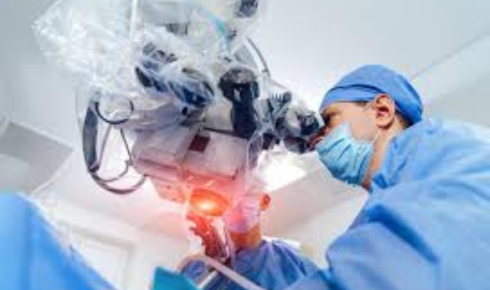

There’s a quiet moment that comes before any big medical decision. It doesn’t look dramatic from the outside—maybe you’re just sitting in a clinic, nodding as a doctor explains something—but inside, there’s a lot going on. Questions, hesitation, maybe a bit of fear mixed with relief that there’s finally a plan.
Surgery often sits right at that intersection. It’s not just about fixing something—it’s about deciding to move forward.
And what’s interesting is how much that experience has changed. It’s no longer just clinical or intimidating. It feels more guided now, more human. Less like stepping into the unknown, and more like walking a path someone is helping you understand.
When the Diagnosis Changes Everything
Some situations carry more emotional weight than others. A diagnosis that shifts how you see your own health, your routine, your future.
That’s often the case with surgical oncology, where surgery becomes part of a larger, more complex journey. It’s not just about removing a tumour or addressing a condition—it’s about timing, coordination, and understanding the bigger picture of treatment.
Patients in this space tend to be more involved than ever before. They ask questions, explore options, and often work closely with a team of specialists. It’s not always easy, but it creates a sense of participation—a feeling that you’re not just being treated, but actively involved in the process.
And that involvement can be grounding. Even when things feel uncertain, having clarity helps.
The Common Problems We Don’t Talk About Much
Then there are the issues that many people deal with quietly. The ones that don’t always feel urgent, but linger in the background of daily life.
Take hernia repair, for example. It’s one of the most common surgical procedures, yet people often delay it. Maybe it doesn’t hurt all the time. Maybe it feels manageable.
But over time, these small discomforts can grow into bigger concerns. What’s reassuring is that modern approaches have made this procedure far less daunting than it once was. Many repairs are now minimally invasive, with shorter recovery periods and less disruption to everyday life.
Patients often say the same thing afterward—they wish they hadn’t waited so long.
It’s a reminder that sometimes, addressing something early can make the entire experience smoother.
Living With Discomfort Isn’t the Only Option
Not all conditions are dramatic. Some are persistent, quietly affecting your quality of life without demanding immediate attention.
That’s often the case with acid reflux and related issues, where gerD treatment comes into focus. For many people, it starts with occasional discomfort—heartburn after a meal, a restless night. But over time, it can become more frequent, more intrusive.
While lifestyle changes and medications help in many cases, there are situations where surgical options provide long-term relief. And just like other areas of medicine, these procedures have evolved to be more precise and less invasive.
The goal isn’t just to treat symptoms—it’s to restore comfort. To make everyday life feel normal again.
And for patients who’ve been dealing with ongoing discomfort, that can feel like a significant shift.
The Experience Beyond the Diagnosis
No matter the condition, one thing tends to shape the experience more than anything else—the way patients are treated along the way.
It’s the conversations that happen before a decision is made. The way a doctor explains options without rushing. The small moments where someone takes the time to make sure you understand what’s happening.
These details don’t always stand out at first, but they stay with you.
Because surgery isn’t just about the body—it’s about trust. And trust is built through communication, patience, and a sense that you’re not being pushed through a system.
Recovery Feels Different Now
If there’s one area where people notice the biggest change, it’s recovery.
It used to be a slow, uncertain process. Now, it feels more structured. Patients are given clearer expectations, better guidance, and support that extends beyond the hospital stay.
It’s not just about healing physically—it’s about getting back to your routine, your work, your sense of normal life.
And while every recovery is different, the overall experience tends to feel more manageable than it once did.
That doesn’t mean it’s effortless—but it does mean it’s less overwhelming.
Choosing What Feels Right
Facing surgery is never a small decision. Even when it’s common or well-understood, it still requires thought.
But one thing has become clearer over time—you have a voice in the process. You can ask questions. You can explore options. You can choose a path that feels right for you.
And that choice isn’t just about the procedure itself. It’s about the people, the communication, the overall experience.
Because when those elements align, surgery feels less like something happening to you—and more like something you’re moving through with confidence.
A Quiet Shift Worth Noticing
The changes in modern surgery haven’t been loud or dramatic. There’s no single moment where everything transformed overnight.
Instead, it’s been a steady evolution. Better techniques. Improved communication. A deeper understanding of what patients actually need.
And those small changes have added up.
Surgery is still serious. It still requires trust, preparation, and courage. But it’s also become more approachable, more human.
And for anyone standing at that decision point, that shift can make all the difference.
