

There’s something interesting about water—it feels universal, but it’s not. The way we use it at home, on a farm, or in a business setting is completely different, even though it’s the same basic resource.
And that’s where things get a little more nuanced.
Because when water isn’t quite right, the impact depends on where you’re using it. At home, it might show up as inconvenience. On a farm, it could affect productivity. In a business, it might influence efficiency or even reputation.
Same water. Very different stakes.
Why One Approach Doesn’t Fit Every Situation
It’s easy to assume that improving water quality is a one-size-fits-all process. Install a filter, maybe upgrade a system, and you’re good to go.
But water doesn’t work that way.
Different environments demand different approaches. What works perfectly in a household might fall short in a larger setup. And what’s ideal for a farm might not make sense for a commercial operation.
Understanding those differences is where things start to become clearer.
The Everyday Reality at Home
Let’s start with the most familiar setting—home.
For most people, water is about comfort and convenience. Drinking, cooking, cleaning, bathing—it’s part of nearly every routine.
When something feels off, it usually shows up in small ways. Taste, odor, buildup, or even how your skin feels after a shower.
That’s where residential water services come into play. They focus on making daily life smoother—improving consistency, addressing common issues, and creating a setup that fits your household’s needs.
It’s not about complexity. It’s about making water feel right again.
Water’s Role Beyond the Home
Now shift that perspective to a farm.
Water isn’t just a utility here—it’s a critical part of the entire operation. It affects crops, soil, livestock, and overall output.
Even small inconsistencies can have a noticeable impact over time.
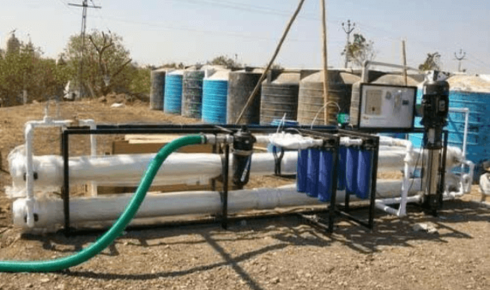
That’s why agricultural water systems are designed with a different mindset. They need to handle larger volumes, varying conditions, and specific requirements that go beyond everyday use.
It’s less about comfort and more about reliability and performance.
And when those systems work well, they support everything else that depends on them.
The Demands of a Business Environment
In a commercial setting, water takes on yet another role.
Restaurants, offices, manufacturing units—each has its own expectations. Cleanliness, efficiency, compliance, consistency—all tied to how water is managed.
A small issue here doesn’t just stay small. It can affect operations, customer experience, even costs.
That’s where commercial water systems come into the picture. They’re built to meet higher demands, often requiring more robust solutions and ongoing management.
It’s not just about fixing problems—it’s about maintaining standards.
Why Understanding Your Needs Matters
Across all these settings, one thing remains constant: the importance of understanding what your water actually needs.
It’s tempting to look for quick fixes or universal solutions. But without clarity, it’s easy to end up with something that only partially works.
Taking the time to assess your situation—your usage, your environment, your specific challenges—makes a big difference.
It doesn’t have to be complicated. Just thoughtful.
The Subtle Benefits You Might Not Expect
Improving water quality doesn’t always lead to dramatic changes. Instead, it shows up in small, consistent ways.
At home, it might mean better-tasting water and less cleaning. On a farm, it could mean healthier crops. In a business, it might lead to smoother operations.
These changes aren’t always obvious at first. But over time, they become part of a more efficient, more comfortable routine.
And that’s where the real value lies.
Avoiding the Trial-and-Error Cycle
A lot of people try to fix water issues by experimenting—trying different solutions and seeing what works.
Sometimes it helps. But often, it leads to frustration.
Because water problems aren’t always straightforward. What works in one context might not work in another.
That’s why a more informed approach—one that starts with understanding—tends to be more effective.
It might take a bit longer upfront, but it usually leads to better results.
A Shift in Perspective
Once you start thinking about water in terms of your specific needs, something changes.
It stops being a generic resource and becomes something more tailored. More intentional.
You begin to see how it fits into your environment, your routines, your goals.
And that awareness helps you make better decisions moving forward.
Keeping It Practical
If you’re dealing with water issues—whether at home, on a farm, or in a business—the best place to start is simple.
Pay attention to what you’re experiencing. Identify what’s working and what isn’t.
From there, explore options that align with your needs, not just general recommendations.
Because the right solution is the one that fits your situation.
A Final Thought
Water may be universal, but the way we use it isn’t.
And when it comes to improving it, understanding those differences is what makes everything else fall into place.
Because when your water works the way it should—no matter the setting—you stop thinking about it altogether.
And sometimes, that’s the best outcome you can ask for.
